
Membership of Type allows unlimited access to our online library. Join to support new research and writing on the design of the built environment.
You can read more about membership here.
Already a member? Login to your account to avail of unlimited downloads.

Membership of Type allows unlimited access to our online library.
Join to support new research and writing on the design of the built environment.
You can read more about membership here.
Individual Membership Fees
Individual membership is available on a monthly or annual basis.
The fee is €10/month or €99/year.

Effectively a continuous zoom call encased in a three-metre tall stone frame, the portal arrived with a promise of diasporic fraternity and a message of shared humanity borne out of access to the same ‘liveness’. The project is regularly described by Gylys in profoundly optimistic, even techno-utopian terms: ‘I felt a deep need to counter polarising ideas and to communicate that the only way for us to continue our journey on this beautiful spaceship called Earth is together’, and later as ‘The addition of the Portal in Philadelphia is an exciting step forward in our mission to build a bridge to a united planet’. [1] This sci-fi language of ‘spaceships’ and ‘missions’ – that suffuses all publicity released by Portals Organization – seems to reveal that for Gylys, the specific urban contexts in which the portals are located are secondary in importance to the fact that cities have dense populations, and can therefore bring a maximum number of ‘fellow humans’ into remote contact.
There is generosity in this goal. While Gylys may be operating from an idealised stratospheric viewpoint, the installations themselves are nevertheless embroiled in the fabric of urban life – in the politics of real estate, and bear witness to the endlessly contingent cityscapes they exist within. [2] Insofar as they present an image that is truly ‘live’, they live among us.
In fact, their circular viewport, coupled with their stationary nature, means that the portals share something of a cultural lineage with a much older technology of civic novelty: the camera obscura. Particularly the popular Nineteenth-Century camera obscurae that were built to be public attractions on high vantage points in cities like Bristol or Edinburgh. When spending time with the images cast by both, the presence of a hypnotic and uncanny liveness – an endless, voyeuristic potentiality – can make it difficult to look away for fear of missing something.
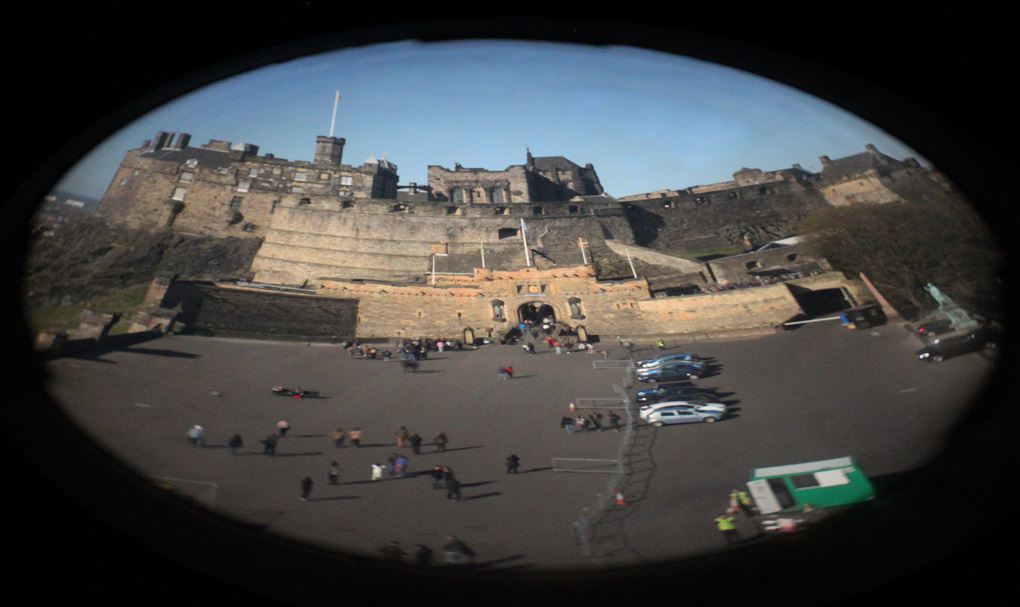
The portals differ from these darkened rooms however, because unlike the rarefied, sanitised views offered by these constructions they address the street at just above eye-level. In Skyline: The Narcissistic City, cultural historian Hubert Damisch outlines a divergence in the historical representation of urban space between ‘birds-eye-view’ depictions and maps that abstract and seek to rationalise cities – ‘Does the city remain “real” when considered from such distances [...]’ – and street-level depictions that present urban space as lived, contingent, and personal. [3] Damisch argues that the perspective techniques used by the painters Canaletto and Brunelleschi to produce realistic veduta paintings imply and demand a subject. [4] Veduta means ‘view’ in Italian, and there is no view without a viewer.
Camera obscurae are distinctive today for their relative stability. Unlike ubiquitous jittery smartphone video feeds, a camera obscura will generally remain still, allowing the world outside to move silently past within its static frame. A decision therefore needs to be made about what its aperture should be trained on. Will there be enough movement and visual interest from this or that vantage point? There is a politics of performative urban representation implied in this decision. What kind of scene, what view of ourselves and of our space justifies the building of a camera obscura? A similar value judgement applies to each portal.
Many Dubliners were initially bemused and apprehensive at the choice of location on North Earl Street. Sitting in the afternoon shadow of The Spire, and across the road from the GPO, it is placed in a historically significant part of the city, but also an area – ‘D1’ – that is notorious among locals for its high concentration of social issues. There was much talk at the time of; ‘why we can’t have nice things’, and the early weeks of the portal saw enough of what was deemed inappropriate behaviour from both cities to generate a viral international interest in the portal, and a temporary suspension of its video feed.
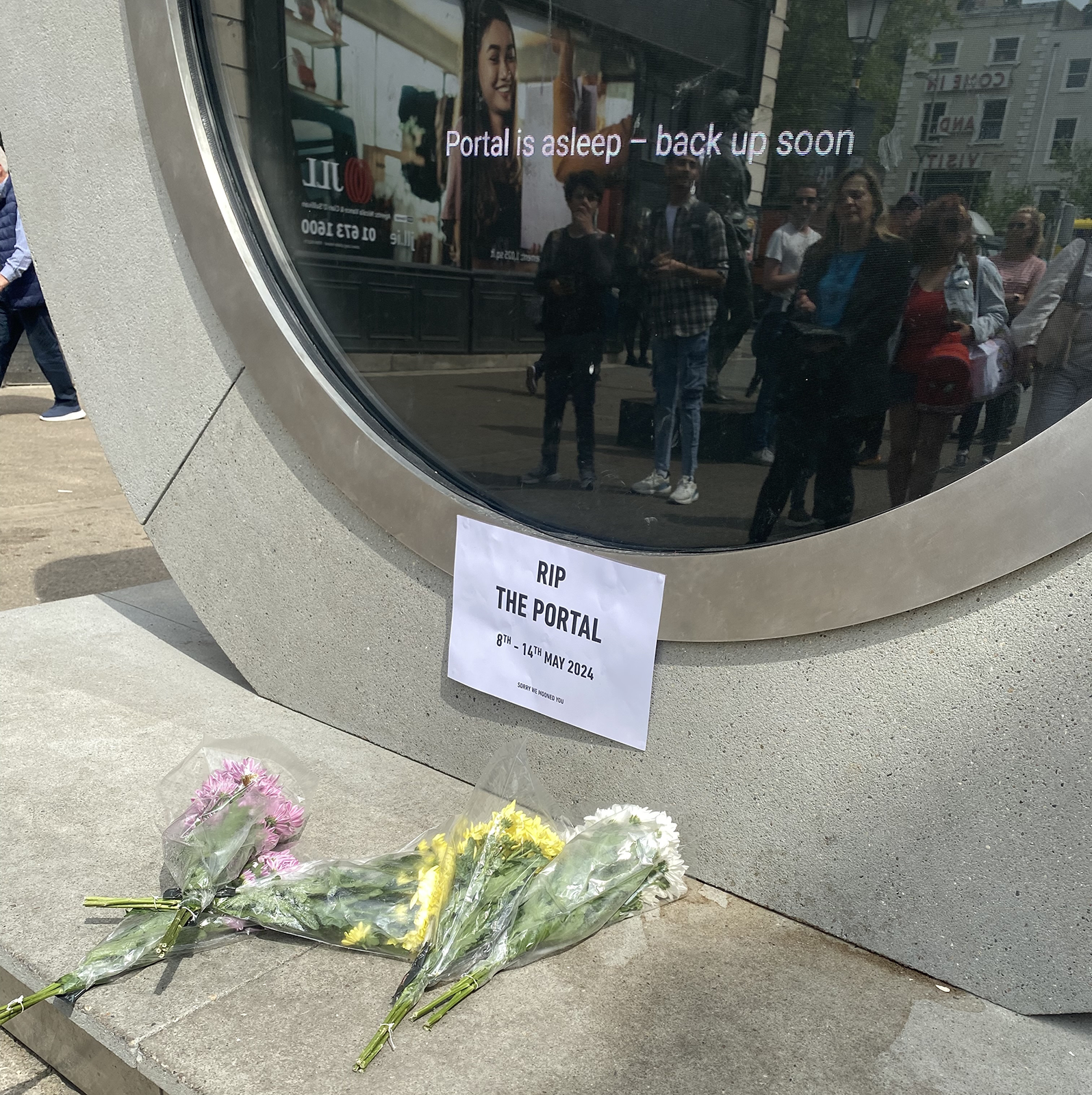
It is significant that it was placed in the heart of D1, rather than an alternative, more predictable cultural hotspot. Since its installation planters have been placed immediately in front of the screen, to create distance between the portal and the crowd, and the steady stream of visitors to the portal appears to be bringing a form of passive communal surveillance to the street, along with bringing custom to the area. Regardless of the location choice however, the important thing is that the portal greets us where life happens, at street level, rather than from on high. For this reason, and despite its sci-fi billing, it enacts a useful resistance to a pervasive trend in tech ideology to operate inter-planetarily, agelessly, and it ends up doing something simple – it enables eye-contact.

We’re looking at a street-level view of somewhere in the UK.
A woman in a black knee-length jacket does a shimmy dance in the centre of the circular frame while a group of tourists film her from our side.
Someone is on their phone waving into the screen, someone on screen – also on a phone – waves back.
We’re in Poland. But this camera angle seems to be more buildings than pavement and there’s no one in view.
Then, suddenly, we’re in Lithuania. An empty square, wet cobblestones and white street lines stretch off towards a grand seeming civic building.
There must be more than twenty people gathered here in the rain at this point, James Joyce’s hat and glasses standing only just taller than the cluster of black umbrellas.
The square is still empty, a man with a dog on a lead walks through the centre of the frame from left to right.
A young woman and man emerge from the bottom of the frame and turn to us while on the go, waving their bound umbrellas at us as if afraid of appearing rude.
It feels like we should see ourselves on the screen, as if we were taking a group selfie. We sense that we are performing, but we disappear at this end.
Lithuania is busy now. It is wet there too.
Three people here have not moved from their position at the front since I've been here. It feels like they are waiting for someone.
On our side a woman in a red velvet dress with a black umbrella pirouettes and curtseys while on her way into North Earl Street.
A seagull sits atop the portal.

Present Tense is supported by the Arts Council through the Arts Grant Funding Award 2025.
Every time I move, something has to be rebuilt.
Moving to a new place means setting up a new routine, building a new support network, and re-learning how things work - while leaving behind a version of yourself that you, and those around you, are familiar with. Migration can be described through the act of arrival, but for me, it is equally shaped by the sense of departure, having to establish myself again and figure out what I bring to the table.
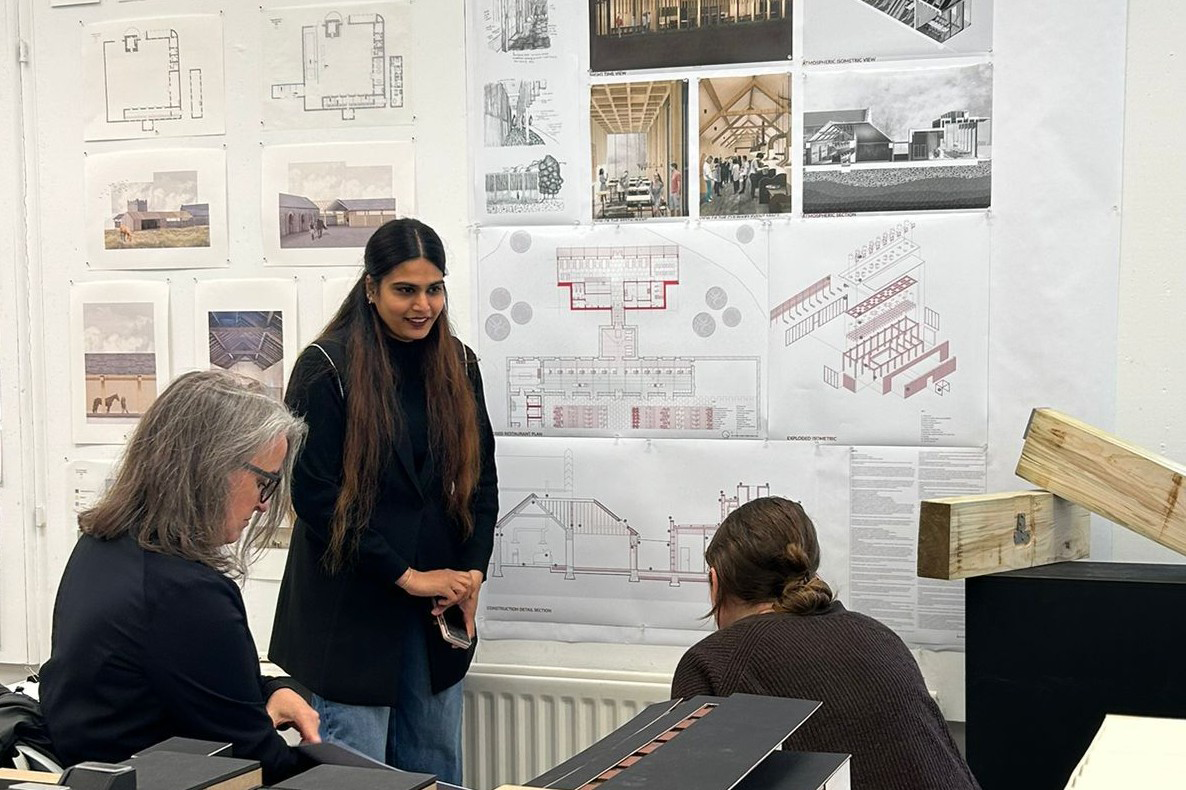
I moved to Birmingham as a 17 year old international student from Delhi. While I was studying architecture, I was also learning to navigate a new cultural and academic environment. I was surrounded by new references and different ways of communicating ideas, along with the pressure of developing a design language. For example, from the outside, crit culture is about pinning your work up on the wall. However, it requires confidence and the ability to defend your ideas, to question your own thinking, and sometimes to fail publicly, and, despite that, to have the courage to show up next week.
Sarah Young, in her research on imposter syndrome, describes how critiques, comparisons, unwritten rules of architectural education, and demanding work hours can intensify feelings of self-doubt. In her survey, over 50% of first-year design studio participants reported moderate to intense feelings of being an imposter [1]. As I was still learning and finding my feet in a new country, the question of competency became more heightened, and I started to question if I truly belonged here.
As I moved to Belfast for work, the questions did not disappear. Representation tells us who is present in a design studio or an office. However, belonging is revealed through actions upon entering. As I entered practice, I began considering whether there was trust, whether I was asked about my thoughts, whether I was encouraged to take part in a conversation or given an opportunity to resolve the unfamiliar, or whether I was taking responsibility before I felt ready.
These moments matter as confidence is built through opportunities. Factors such as gender, race, disability, sexuality, and caring responsibilities can often influence whether people are given a chance to work directly with clients, take on complex projects, develop technical skills, or progress into visible leadership roles [2]. For me, being welcomed into the profession and being trusted within it were two very different realities.
Mentorship has played an important role in helping me close the gap. Over the last year, I participated in mentoring schemes across the UK and was matched with three incredible female mentors who had also migrated to the country. Conversations with them helped me navigate progression, build confidence, and manage professional expectations. Most importantly, they challenged my imposter syndrome and helped me recognise that a lack of certainty should not be seen as a lack of potential.
Yet, confidence alone can’t address the wider barriers to entering industry. The route to qualification in the profession remains long and financially demanding, especially for international graduates. At elite universities, international tuition fees can exceed £30,000 a year, yet entry-level roles offer little remuneration by comparison [3]. Recruitment can also reinforce barriers to the profession. The industry still operates through familiar networks, recommendations, and established universities. For people who are trained abroad, have migrated, or have followed an unconventional career path, it becomes even harder to get a foot in the door. For international graduates, there is an added sense of uncertainty alongside professional progression. There is a constant race against time due to visas, work sponsorship, and changing immigration policies.
Similarly, architectural registration remains tied to national systems such as the Council of Architecture in India, the Architects Registration Board in the UK, and the Royal Institute of Architects of Ireland in Ireland. Working across countries and navigating new registration processes each time requires translating experience and qualifications to fit a new system.
Having to prove your professional identity and build support networks all over again can seem daunting at first. However, with every move, I learned new ways to understand, communicate, and be resilient. My confidence now comes from knowing I have rebuilt before.
I visited the London Festival of Architecture this year, and the central theme of ‘Belonging’ was explored through connection and participation [4]. It made me reflect that while architecture creates spaces for connection, the profession must also nurture the people entering, support those trying to stay, and create meaningful opportunities for progression. This is why I co-led ‘Portfolio Review and Mentoring Night’ last month with my colleague, Lois Chan, bringing together students and practitioners for portfolio feedback, career conversations, and professional connections. I have immensely benefited from the people around me who helped me to navigate the industry, and I hope to make the routes visible to others.

I am writing this in a time of great uncertainty about my next move. Yet I know with every move, I carry forward the confidence, the generosity of my mentors, diverse perspectives, and unique experiences. My experience is only one of many among the professions increasingly shaped by movement. The question then is, how does the industry recognise, value, and advocate for the talent it attracts from across the globe?
In this article, Ananya Jain reflects on how different educational and professional environments shaped her sense of belonging through her journey from Delhi to Belfast, and the role mentorship, migration, identity, and belonging has played in her navigation of both architectural education and practice.
Read
By the time I turned sixteen, I had already let most of my hobbies fall by the wayside. Art, basketball, ballet, theatre – all of these are things which I used to love but inevitably gave up one-by-one as I entered adolescence. The common denominator being that I felt I simply could not spare the time for these hobbies. But this begs the question as to why a young girl might find herself worrying about time – why did I feel like I was in a time deficit at such a young age? The sad reality of this is that there are a number of things which eventually lead young girls to disproportionately abandon hobbies and pastimes in their adolescence. Social pressure, self-consciousness, and time redistribution toward academics are all contributing factors. However, there was a hidden undercurrent of something deeper and far older as I slowly let go of my hobbies; an internalisation that devoting time and dedication towards the pursuit of something simply for its own pleasure is a luxury which is less available to me as a woman [1] [2].
When the time came for me to choose a career path at the too-young age of eighteen, I weighed my options carefully. The pressure to choose wisely was immense, and there was a massive push for women to pursue careers in STEM. While I was good at maths and physics, I also loved art, music, and languages. Sadly, I dismissed those subjects which might be viewed as more ‘feminine’, such as art or music, feeling that as I was lucky enough to be good with numbers I ought not to waste it [3]. I was conflicted – that part of me which had loved art and drawing was calling out for something more creative, yet I pushed myself towards sciences and engineering. When a teacher suggested architecture to me, it almost seemed too good to be true – the perfect marriage between creativity and calculated logic. And so, knowing almost nothing about the profession, I began my journey through architecture school.
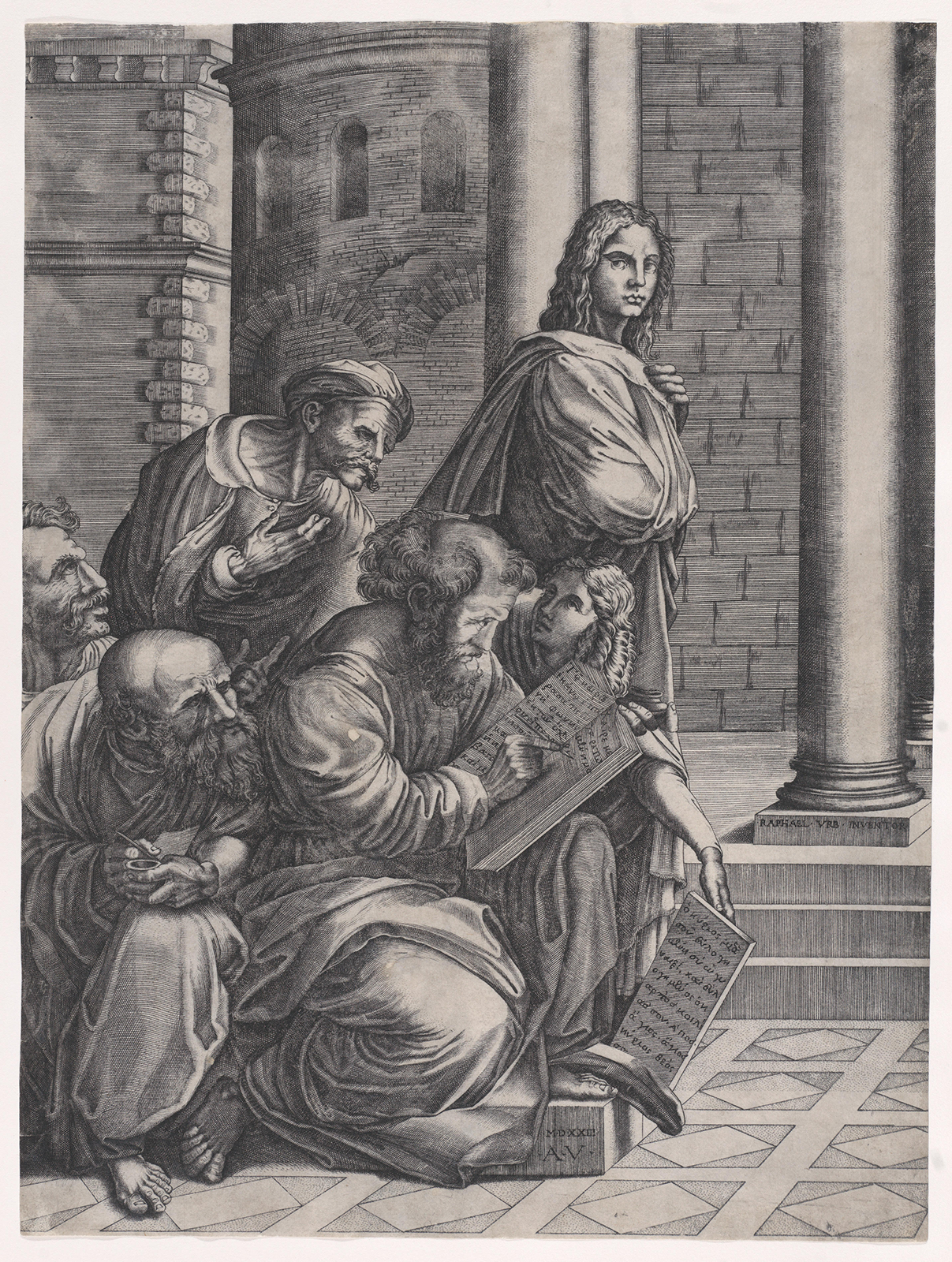
To many, the image of the eccentric, ‘gentleman architect’ is a familiar one [4]. An artist figure, sketchbook in hand, running his hand softly over board-marked concrete. In fact, I might argue that the image of the eccentric architect is a romanticised one, perhaps to the point where it risks becoming comical – the architect who dream-walks through his building at night, scrambling for a pencil in the early hours with a new design in his head. Architects have long been characterised by their sacrifice, passion, and devotion to their craft – their work coming before all else. This attitude continues to permeate through all stages of the profession, from early years in architecture school and late into successful careers.
As I made my way through my undergraduate studies, the years were defined by long days, late nights in the studio, and weekends spent burning the midnight oil in the library. While I loved my time in studio and had a great relationship with my peers, I began to realise that I was struggling to find time for much else other than my studies. Once again, my hobbies took a backseat. Meeting friends and pursuing any extra curriculars become increasingly more difficult. In my early years in university, I worked a part-time job, and I was warned by many older students and even a few tutors that I might need to quit once things got busy. I remember thinking how ridiculous an idea that was, how should I be expected to pay my way without working? The truth is that this attitude stems from a much older and dangerous idea; that architecture is not a job, but instead an avocation, historically accessible only to those who could afford it.
Architecture first developed as a pursuit in the 15th century, divorcing itself from the previous medieval vocation of the ‘master builder’[5]. In the renaissance, architecture positioned itself as a ‘gentleman’s profession’, quickly distinguishing itself from building trades and labour by aligning more closely with intellectual endeavours. Training comprised of extended periods of travel, unpaid apprenticeships, and long periods of study. Thus, architecture was positioned as an artistic calling. Depending heavily on patronage and private income, it emerged as a passion first and a career second. Availability and financial flexibility heavily influenced the profession as it developed, meaning dedication was measured not by only skill, but by a willingness to prioritise the craft. It is these assumptions, then, which resulted in a profession that disproportionately excluded women, as they had less access to independent wealth, educational opportunities, and professional networks.
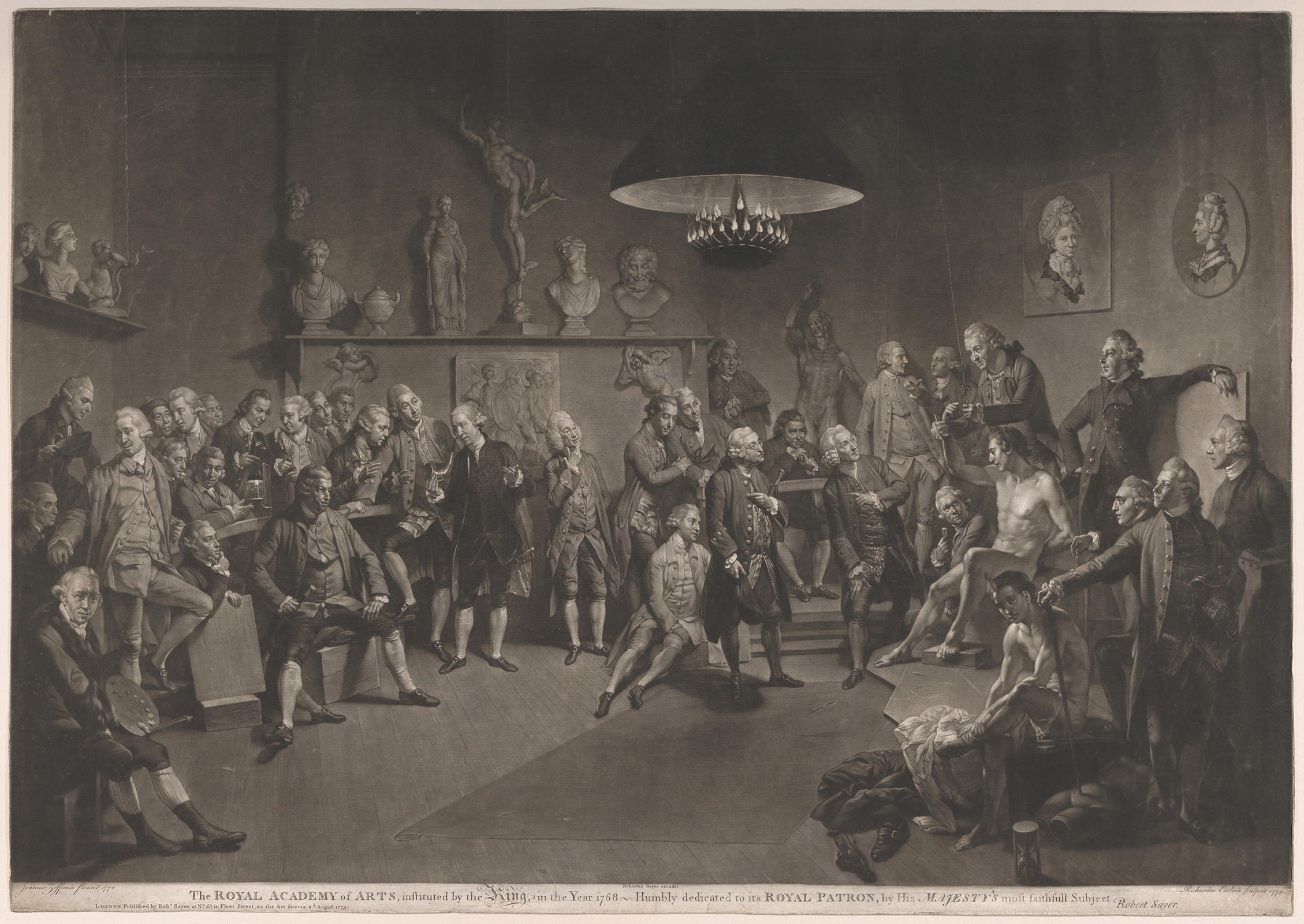
When I finished my undergraduate studies and entered the workforce, I was eager and enthusiastic to leave the long days in studio behind me. The idea of a ‘nine to five’ seemed a dream and I could not wait to reclaim my evenings and weekends. I am lucky enough to have worked with some amazing women over the last few years, who continue to amaze me in their hard work and dedication within this male-dominated field. However, certain realities of the profession became more apparent to me. As it turns out, the long hours and late nights were far from over. It is true that architecture is a discipline of passion, and the profession today balances being both a cultural contribution, and a skilled trade which sustains the built environment. There is a thin line, however, between admirable devotion and a potentially dangerous culture of sacrifice which risks exclusion.
The road to architecture remains long and expensive. Many years of study are followed by professional experience and further professional examinations. Emerging graduates are offered long hours for low salaries, while entering a world with a near inaccessible housing market and record high costs of living. When sacrifice is romanticised, and long hours are reframed as commitment – an assumed requirement rather than an occasional exception – it begs the question of how sustainable the career is in the long run. The expectation that architects will give more time than they are compensated for still persists, sustained by the belief that architecture is a career driven by passion rather than financial necessity.

As women, we begin to recognise that these expectations are not neutral – that a profession built on constant sacrifice quietly determines who can remain, and who cannot. While my university class boasted an equal ratio of male to female students, female representation in architecture drastically decreases at senior levels. Despite gradual moves towards a more balanced gender representation in architecture, I can’t help but wonder if the avocation mindset plays a significant role. The expectation of constant availability, sacrifice, and prioritisation over all else conflicts with career interruptions such as pregnancy, familial responsibilities, and caregiving duties which continue to disproportionately affect women [6]. I am a young woman at the very beginning of my career, and I would be lying if I told you these concerns had never crossed my mind. The expectation of constant availability and sacrifice reflects an outdated assumption of who an architect is. As I approach my thirties, I find myself worrying how sustainable a career in architecture is for me if I want to have children and raise a family.
These concerns feel increasingly urgent in Ireland today. This mindset which views architecture as a 'gentleman’s profession' risks excluding a diverse range of people who are drawn to it. Framing the profession as an intellectual pursuit discredits a skilled career which is highly technical, as well as socially and culturally valuable. I grow increasingly nervous that architecture might become something I may not have the luxury or flexibility to maintain without sacrificing something important. While I love my field of practice, and am passionate about my chosen career, the truth remains that architecture is not my avocation. My job is not my hobby.
In this article, Ciara O’Connell closes our mini-series ‘Drafting Identity’ which focuses on the experience of women in Architectural Education from both personal and professional perspectives, supporting the FIAE movement. Ciara explores the pressures a career in architecture places on life outside of work, and the significant material impacts that places on women, in particular.
Read
Architecture is widely considered to be an incredibly innovative profession. For centuries, it has played a crucial role in shaping our urban landscapes and societies. This innovation and creativity which characterise the profession is first nurtured in the early stages of education. The excitement sparked by entering the first year of university develops into a growing sense of possibility as the years progress. However, for an industry so forward-thinking, the issue of how women fit into its identity structure has very much “remained unresolved” [1].
When I began my own career almost 7 years ago, it appeared to me that the field was largely male dominated, particularly in the way architects were celebrated and publicised. Many of the names, faces, and projects I encountered were male, which subconsciously shaped my understanding of who typically occupied positions of recognition and authority within the field. While my academic experience in architectural education has been shaped by a diverse student cohort, my professional experience beyond academia has highlighted an underrepresentation of women among firm partners, associates, and managers.
The statistics, supported by RIAI-sponsored research, show how gender balance in architectural education unfortunately doesn’t directly translate into female representation at the top level in the country. In Ireland, only 30% of registered architects are women, with as little as 16% occupying principal or leadership roles in RIAI-registered practices [2]. The issue, however, is not the lack of ambition, ability, or women’s desire to enter the field. Recent decades have seen a growing number of women choosing architecture as a career path with Irish architecture schools achieving gender balance since the 1990s. Since “as many women as men qualify with degrees in architecture”, it's important to question where the deeper rooted imbalance, often referred to as the “leaky pipeline", comes from [2]. This metaphor is often used to describe the disappearance of women from career pipelines as seniority increases.
Historically, architecture has been shaped by a culture of extreme working hours and a lack of flexibility, where wearing tiredness as a badge of honour is often expected. From under-recognition to pay gaps, the challenges women face within the profession remain largely unchanged. A survey discussed by Dervla MacManus and Katherine O’Donnell in the ‘I am an architect’, gender and professional identity in architecture research article reveals a clear contrast in how gender is perceived in architectural careers. While 45% of men reported that gender has no influence on their career thinking, only 2% considered it important. In contrast, 41% of women described it as extremely influential [1].
Since “architectural practice relies on long working hours, homosocial behaviour and creative control”, many women, particularly those with caregiving responsibilities, can find the profession difficult to sustain long term [3]. Those who do reach senior roles however, often receive less recognition in comparison to their male colleagues. From precedent case study lists handed out in universities, to the industry’s most prestigious awards; female architects contributions have not always received equal acknowledgement. The case of Denise Scott Brown is a well-known example of female achievements being overlooked, as she was excluded from the Pritzker Architecture Prize, which was awarded solely to Robert Venturi despite their collaborative work [4].
During my university exchange abroad one of the elective modules offered was titled ‘Women in Architecture’. It was a 5 credit course dedicated specifically to exploring women’s contributions to the field. I was excited to partake, however I equally found myself wondering why this topic needed to be defined seperately. Did the module come to life due to women’s work being significantly overlooked within the mainstream architectural curriculum? What stood out to me the most however, was how fast the class reached full capacity with a waitlist forming as a result. Its popularity suggested a genuine interest among students for a more expansive and inclusive learning environment, regardless of gender.
For students like myself who seek female role models on a daily basis, representation is incredibly valuable. Recognising and celebrating women is not only symbolic, but it actively shapes the aspirations of young women entering architectural education. How we record the history and achievements of all architects, despite gender or background, not only influences our understanding of the profession today, but also advocates for a more inclusive architecture culture. Conversations like these create a future that is not abstract or unattainable, but something women can see themselves embodying.
Experiencing representation first hand has deepened my understanding of what it truly means for women in practice. When I began my first role in the professional world of architecture, it came with the stress and imposter syndrome that often accompanies any new position, particularly your first. This pressure however, felt significantly eased after being assigned a female mentor; someone who reflected my background and experiences in a professional setting. This experience made a meaningful difference for me from the very first day. Her guidance played a key role in helping me settle in and grow in confidence. It also helped me understand the potential of my career development and the direction I wanted it to take. It allowed me to set goals that felt both tangible and exciting.
Recognition, representation and mentorship at the top tiers of the profession carry immense value. Having experienced it first hand, I understand how powerful it can be, not only for confidence building, but also for shaping drive and ambition. An industry with a ‘leaky pipeline’ misses out on a wider range of perspectives and approaches where design can suffer as a result. I hope the topic of a more inclusive architecture culture becomes an everyday norm – particularly for those starting out as young professionals, trying to navigate the uncertainties of their early careers in the pure chaos of the world of architecture.
In this article, Julia Przado continues our mini-series ‘Drafting Identity’ which focuses on the experience of women in Architectural Education from both personal and professional perspectives, supporting the FIAE movement. Julia explores the underrepresentation of women in senior roles within the architectural profession, and the importance of representation, recognition and mentorship.
Read

Website by Good as Gold.