
Membership of Type allows unlimited access to our online library. Join to support new research and writing on the design of the built environment.
You can read more about membership here.
Already a member? Login to your account to avail of unlimited downloads.

Membership of Type allows unlimited access to our online library.
Join to support new research and writing on the design of the built environment.
You can read more about membership here.
Individual Membership Fees
Individual membership is available on a monthly or annual basis.
The fee is €10/month or €99/year.

The very foundations of how we currently live seem at odds with the necessity of the moment. Historically, in these periods of flux and tension, breakaway groups form and the genesis of radical ideas are born. A classic example of such a breakaway is the ‘Commune’: "a group of families or single people who live and work together sharing possessions and responsibilities" and often presenting themselves as an alternative to the societal order that they arise from [1]. Stevens-Wood puts forward that communes or ‘intentional communities’ reflect the period in which they were formed - in the 1960’s and 70’s, a period often associated with communalism, these miniature societies were created in reaction to post-war traditionalism [2]. This was the golden age of communes, and perhaps also the period responsible for an enduring reputation of communes as, at best, unrealistic dreamers at odds with society at large and, at their worst, extreme hippy utopias restricting freedom and privacy.
The current forms of communal living find themselves reacting not to war, but a combination of the aforementioned issues with a similar desire to create something new. The question I would pose is, are they the way forward?
A plethora of terms exist for these alternative forms of living. Alongside communes, there are more palatable terms such as intentional communities, co-housing, co-living, and more in between. What do they all mean, and how do they differ, if at all?
Intentional Communities is somehwat of an ‘Umbrella term’ under which falls the three other terms described below. It is a community of people that have chosen to live together for one reason or another, often choosing to pursue a collective or social vision. According to Bill Metcalf “Intentional Communities are formed when people choose to live with or near enough to each other to carry out a shared lifestyle, within a shared culture and with a common purpose.” [3] Under this umbrella term, fall communes, co-living and co-housing.
Co-living first came into existence in the early 2000’s and picked up traction by the late 2010’s [4]. It is urban in location and offers private apartments set in large complexes offering shared spaces such as gyms, co-working spaces, rooftop gardens etc. One such example is The Collective, a co-living business founded in 2021 in London which recently received funding to expand into Europe and the US [5]. Its Acton North West London location offers 323 private apartments across an 11-storey building. Each apartment costs upward of £1,328 per month based on a 12-month lease [6]. Though The Collective describes its mission as building and activating spaces "that foster human connection and enable people to lead more fulfilling lives", its vast size, high price, and for-profit business model arguably takes the ‘intention’ away from ‘intentional communities’ [7]. In 2020, the Irish government removed co-living schemes from its permissible apartment guidelines, halting any new developments in the industry [8].
Co-housing, though similar in ways, offers some important differences to the pricey and aspirational co-living. Its birth can be traced back to the co-ops of 1960’s Denmark, offering residents more control, and a say in its design and model. Like co-living, this model offers a blend of both private and communal space. Separating its form from the broader strand of communes, co-housing communities tend to place a stronger emphasis on "the balance between community life and the privacy of individuals and households.” [9]. Often, the legal and ownership structure of co-housing models tends to be more complex than co-living and involves a co-operative model rather than direct owner occupier or leasehold (as seen in co-living complexes) models.
Whilst both co-living and co-housing offer alternatives to the traditional homeownership, one seems significantly more democratic than the other - putting power in residents’ hands rather than developers. The question then, what are the examples of ‘intentional communities’ today both home and abroad?
Cloughjordan Eco village is a pioneering example of co-housing in Ireland and LILAC (Low Impact Living Affordable Community), in the United Kingdom offers an example of an urban ‘intentional community’ breaking new ground with its ownership model. These two examples, like the original communes, operate under systems of shared values and community led decision making, but can be seen as modern evolutions of that form.
Cloughjordan Eco-village, based in Nenagh, North Tipperary, has been in existence since 1999 with its first residents moving in 2009. It is a registered CLG (Company Limited by Guarantee) which offers a not-for-profit structure whereby its members are its guarantors [10]. It has a population of over 100 living across 55 low-energy homes, with ecological and permaculture design principles guiding the ethos of the community [11]. Residents own their homes and also pay a fee to use the farm and reap its rewards—sustainable, organic food for the community. In 2012, it was voted one of the ten best places to live in Ireland by readers of The Irish Times [12]. Cloughjordan can be seen as a frontrunner in what may be a burgeoning future of more communal, sustainable modes of living in the country. Self-organised Architecture.ie lists four new co-housing initiatives each with their own aims of providing affordable and community led housing schemes.
By contrast, the United Kingdom is currently home to over 400 intentional communities and LILAC which saw its first residents moving in 2013, is a relatively new addition [13].
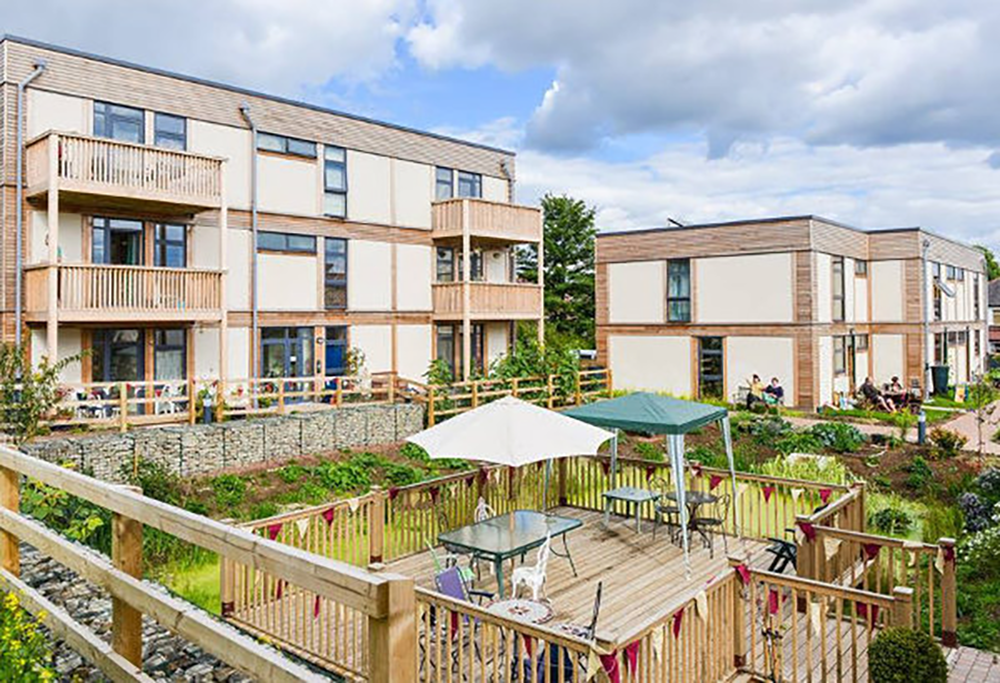
LILAC, based in West Leeds, is a community of twenty eco-build households built with panel timber walls insulated by straw bales. During its build, LILAC captured, and now stores, over 1080 tonnes of atmospheric C02 [14]. The community residents have their own private homes and gardens which are grouped around a separate common house. The sharing aspects of the community include voluntary communal meals twice a week as well as allotments, shared gardens, and carpooling schemes. In stark contrast to the connotations that surround communes, LILAC is ‘not immune to the real world’ yet sets out to change how people relate to their housing - seeing housing not as a commodity or a speculative asset, but an affordable space existing as part of a community and an eco-system [15]. This also means that homes in LILAC cannot be sold on the open market. The community itself functions as the developer keeping its homes immune from fluctuating housing prices and real estate value. The ownership model is based on a system called ‘Mutual Home Ownership Society’ which links housing cost to income, not market price. Residents pay 35% of their income with higher earners paying slightly more and, in return, gaining more equity. This scheme ensures that homes remain permanently affordable and also ensures that those on a lower or more precarious incomes have fair access to a home [16].
Based on these more contemporary examples of community-based living, a lifestyle once associated with complete interdependence and perhaps a lack of autonomy has evolved. In the examples of LILAC and Cloughjordan eco-village we see the positives of community interaction offered in tandem with an ability to maintain privacy. In each example, balance between the community and the outside world is emphasised. Cloughjordan Eco-village developed alongside an original village of the same name - by integrating the two settlements, a village in decline went the other way [17]. In this sense, it is a project in ecological sustainability as well as rural regeneration. LILAC, states on its website the importance of the wider community with the co-housing settlement situated within a “flourishing neighbourhood in West Leeds” [18].

With isolation and loneliness hitting an all-time high, increasing worldwide by 13.4% between 2009 and 2024; a catastrophic housing crisis affecting not just Ireland, but populations globally and a climate crisis which drives up living costs, the draw to a more communal style of living is tantalising and the importance of curbing the above trends, vital [19]. The above examples offer intriguing examples of living practices that manage to do just this. Nonetheless, despite their possible best intentions, critiques of intentional communities abound, Boys-Smith states: "At its best, co-housing is bowling together, sharing skills and taking a village to raise a child. At its worst, is it creating exclusive gated ghettos of the rich able to live, work and play safely sequestrated from the wider world?" [20].
A growing amount of literature documents similar concerns about the lack of diversity in a large number of these communal living experiments. Despite cheaper living costs going forward, often a large amount of capital buy in is needed at the beginning. In the case of Cloughjordan eco-village, buying a site alone was comparable to the cost of buying an entire home in its neighbouring village - “If you have limited means, buying a site for the same amount as you could buy a house, was a lot to ask” [21]. Given that isolation and loneliness is more prevalent amongst low-income groups, the need to ensure that housing options with a high degree of social integration and community are affordable is essential. Nonetheless, perhaps the strongest argument in their favour is their ability to promote human connection and belonging. Through living in proximity to others, we get the magic and ‘fizzy serendipity’ that urbanist Richard Sennett describes [22]. In a world that can feel more and more divided, surely the answer lies in its opposition.

Present Tense is supported by the Arts Council through the Arts Grant Funding Award 2026.
1. ‘Communes’ Cambridge English Dictionary. 2026, https://dictionary.cambridge.org/dictionary/english/commune (Accessed 11th February 2026)
2. S Mahanty. ‘Could you handle life in a commune?’, The Standard, 7th September 2021, https://www.standard.co.uk/lifestyle/london-commune-living-housing-co-op-b953403.html (Accessed 10th February 2026)
3. C. Tina. ‘Intentional Communities: Beginners guide to life in Cooperative culture’ Community Finders [Web blog], 16th December 2022 https://communityfinders.com/intentional-communities/ (Accessed 10th February 2026)
4. P. Clark, N. Figueres, M. Lesniak, J. Ortiz, ‘Coliving in 2025 & Beyond’ [website] 2025 https://www.consciouscoliving.com/coliving/ (Accessed 10th February 2026)
5. W. Coldwell. ‘Co-living: the end of urban loneliness- or cynical corporate dormitories? The Guardian, 3rd September 2019, https://www.theguardian.com/cities/2019/sep/03/co-living-the-end-of-urban-loneliness-or-cynical-corporate-dormitories (Accessed 11th February 2026)
6. The Collective Old Oak [website], 2022 https://www.thecollective.com/locations/old-oak (accessed 11th February 2026)
7. ‘About The Collective’ [web page], 2022 https://www.thecollective.com/about-us (Accessed 11th February 2026)
8. J. Horgan-Jones. ‘Minister for Housing to ban new co-living developments’ The Irish Times, 23rd November 2020, https://www.irishtimes.com/news/politics/minister-for-housing-to-ban-new-co-living-developments-1.4416260 (Accessed 15th February 2026)
9. P. Jakobsen & H Gutzon Larson. ‘An alternative for whom? The evolution and socio-economy of Danish cohousing’ Taylor & Francis online, Volume 12 no.4, 2019 https://www.tandfonline.com/doi/full/10.1080/17535069.2018.1465582#d1e127 (Accessed 11th February 2026)
10. J. Korchak ‘What is a company limited by guarantee?’ inform direct [web blog] 25th September 2023 https://www.informdirect.co.uk/business-management/company-limited-by-guarantee-what-is-it/ (Accessed 18th February 2026)
11. Cloughjordan Eco-village [website], https://www.thevillage.ie/ (Accessed 11th February 2026)
12. P. Kirby ‘Cloughjordan Eco-village: Modelling the transition to a low-carbon society’ Foundation for Intentional Community [web blog] 1st August 2016 https://www.ic.org/cloughjordan-ecovillage-modeling-the-transition-to-a-low-carbon-society/#:~:text=The%20land%20use%20plan%20for%20Cloughjordan%20ecovillage,to%20all%20the%20houses%20in%20the%20ecovillage. (Accessed 11th February 2026)
13. S. Howard, ‘Is the boom in communal living really the good life?’ The Guardian 17th January 2021 https://www.theguardian.com/society/2021/jan/17/is-the-boom-in-communal-living-really-the-good-life (Accessed 12th February 2026)
14. LILAC [website], 2026 https://www.lilac.coop/low-impact-living/ (Accessed 12th February 2026)
15. H. Sherwood. ‘How to create happy communities through co-housing’ The Guardian 21st November 2014 https://www.theguardian.com/cities/2014/nov/21/how-to-create-happy-communities-through-co-housing (Accessed 13th February 2026)
16. LILAC (Low Impact Living Affordable Community) [website], https://world-habitat.org/awards/winners/lilac-low-impact-living-affordable-community/ (Accessed 17th February 2026)
17. N. Winston. ‘Sustainable Housing: A case study of the Cloughjordan eco-village Ireland’ in Davies, A. (ed.) 2012. Building a sustainable and resilient economy: Contributions from grassroots sustainable enterprises Advances in ecopolitics 8, Emerald Group Publishing. Bingley, UK. Available from: https://www.researchgate.net/publication/283370847_Chapter_5_Sustainable_Housing_A_Case_Study_of_the_Cloughjordan_Eco-Village_Ireland (Accessed 10th February 2026)
18. LILAC [website], 2026 https://www.lilac.coop/low-impact-living/ (Accessed 12th February 2026)
19. Fuller-Rowell, Thomas E et al. ‘Global Trends and Disparities in Social Isolation.’ JAMA network open vol. 8,9 e2532008. 2 Sep. 2025, https://pmc.ncbi.nlm.nih.gov/articles/PMC12439063/#:~:text=In%20this%20repeated%20cross%2Dsectional,low%2Dincome%2C%2026.4%25 (Accessed 13th February 2026)
20. N. Boys-Smith ‘The rise and fall (and rise?) of communal living’ Medium [web blog] 21st March 2018. https://medium.com/@thersa/the-rise-and-fall-and-rise-of-communal-living-8d276bf6e686 (Accessed 11th February 2016)
21. L. Roddy ‘Debt, planning battles and a mountain of volunteer work: The true cost of running an eco-village’ Cloughjordan Ecovillage [web blog] 25th March 2021 https://www.thevillage.ie/debt-planning-battles-and-a-mountain-of-volunteer-work-the-true-cost-of-running-an-ecovillage/#:~:text=%E2%80%9CSite%20prices%20were%20%E2%82%AC60%2C000,selling%20sites%20became%20more%20difficult.%E2%80%9D (Accessed 9th February 2026)
22. R. Sennett. Ethics for the City. London: Allen Lane, 2018 p. 82
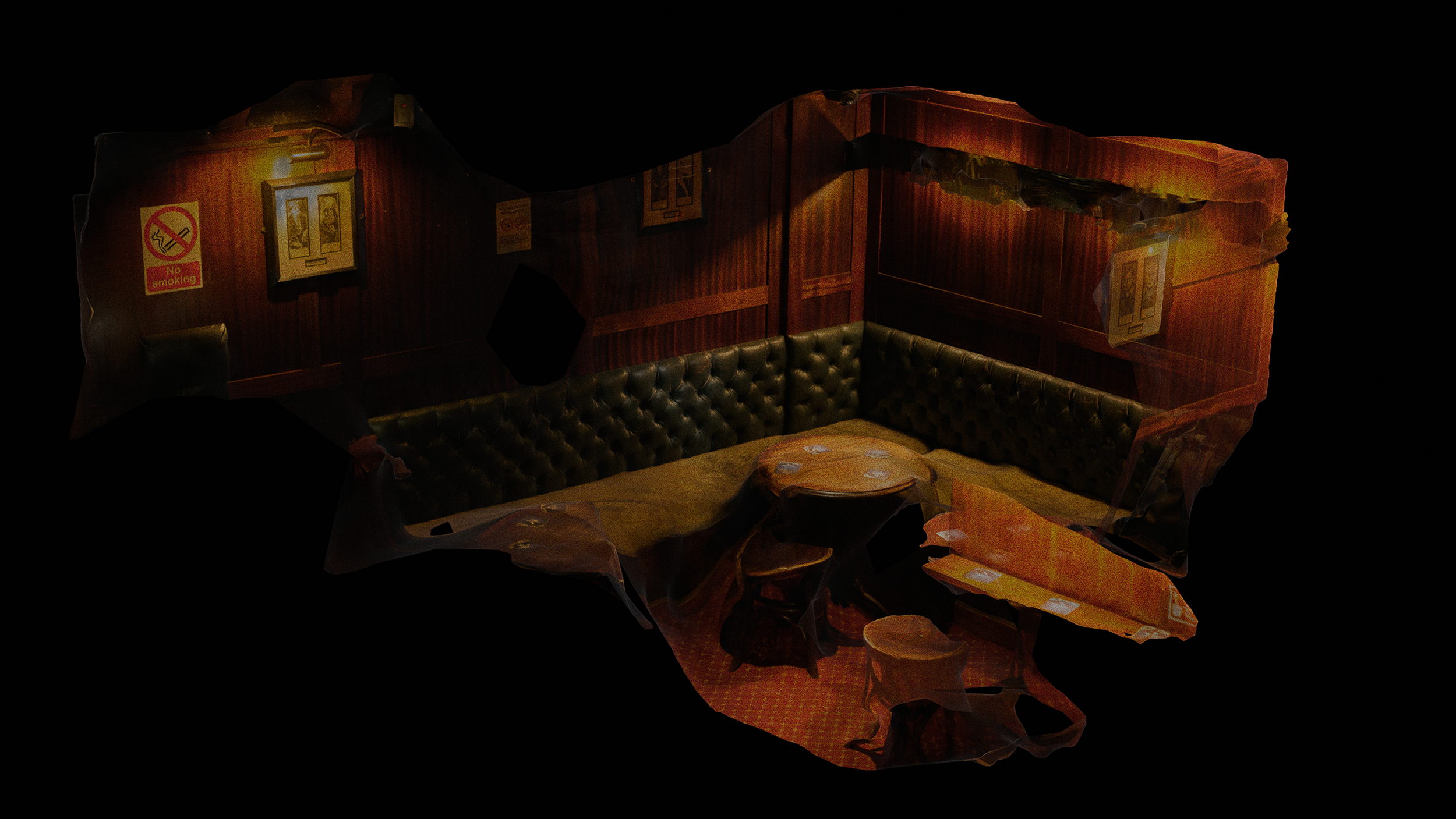
In a world over-saturated with "best pint" influencer interviews, it is high time we talk about the architecture of the snug. Passing through rural Irish towns this past summer, the visual decay of former licensed premises was a stark reminder of an evolving social landscape.
This article sets out to categorise the distinct architectural periods of the Irish pub snug, and examine the cultural compartmentalisation of space in one of Ireland’s most indispensable venues: the public house.
In 1990, the late architectural critic Frank McDonald wrote a piece in The Irish Times about "pub pastiche," noting: “Pubs are our Piazzas”, “people go to talk to their friends and to have a bit of craic” [1]. Craic being closely related to enclosed space as discussed by anthropologist Adam Kaul, when people experience a state of group ‘flow’ [2].
Decades earlier, in 1950, The Architectural Review issued a challenge to architects in the form of a competition to design "The Public House of Tomorrow". The brief set out to conceive a public house truly of its time. The winning entries featured gleaming, cosmopolitan, open-plan bars with almost zero compartmentalisation [3]. Thirty years later, in 1980, Phil Lynott sat at the bar of The Long Hall in his music video for Old Town. Looking at that room, it was clear that very little had changed since the Victorian era. In fact, the only real anachronism watching it today is the heavy haze of cigarette smoke [4].
Did the "pub of tomorrow" ever actually arrive, or did we ever really want it to? In Ireland, we still instinctively gravitate towards the Victorian pub as our one proudest architectural set pieces to be exported.
Snugs originally emerged out of Victorian culture as tools for class segregation, moral purity, and capitalisation, allowing publicans to charge a premium for a private space. They were variously referred to as smoking rooms, tap rooms, parlours, or vaults. These spaces were reserved for specific clientele who wished to remain unseen by the rest of the bar: women, clergymen, local elites, and wanted republicans.
This spatial segregation continued in Ireland far longer than many care to admit. In a cultural purge similar to the dissolution of the Anglo-Irish Big Houses, many original snugs and their hardwood interiors were ripped out during the mid to late 20th century in favour of ‘democratic’, open-plan bars. One can still find architectural remnants of this era; stepping into Mulligans on Poolbeg Street, you can see a lone, fragmented snug partition left hanging at the bar. In some enclaves like J. & K. Walsh in Waterford, the strict social segregation lingered so long that the barmaid notes women weren't truly integrated into the main bar counter space until 2002.
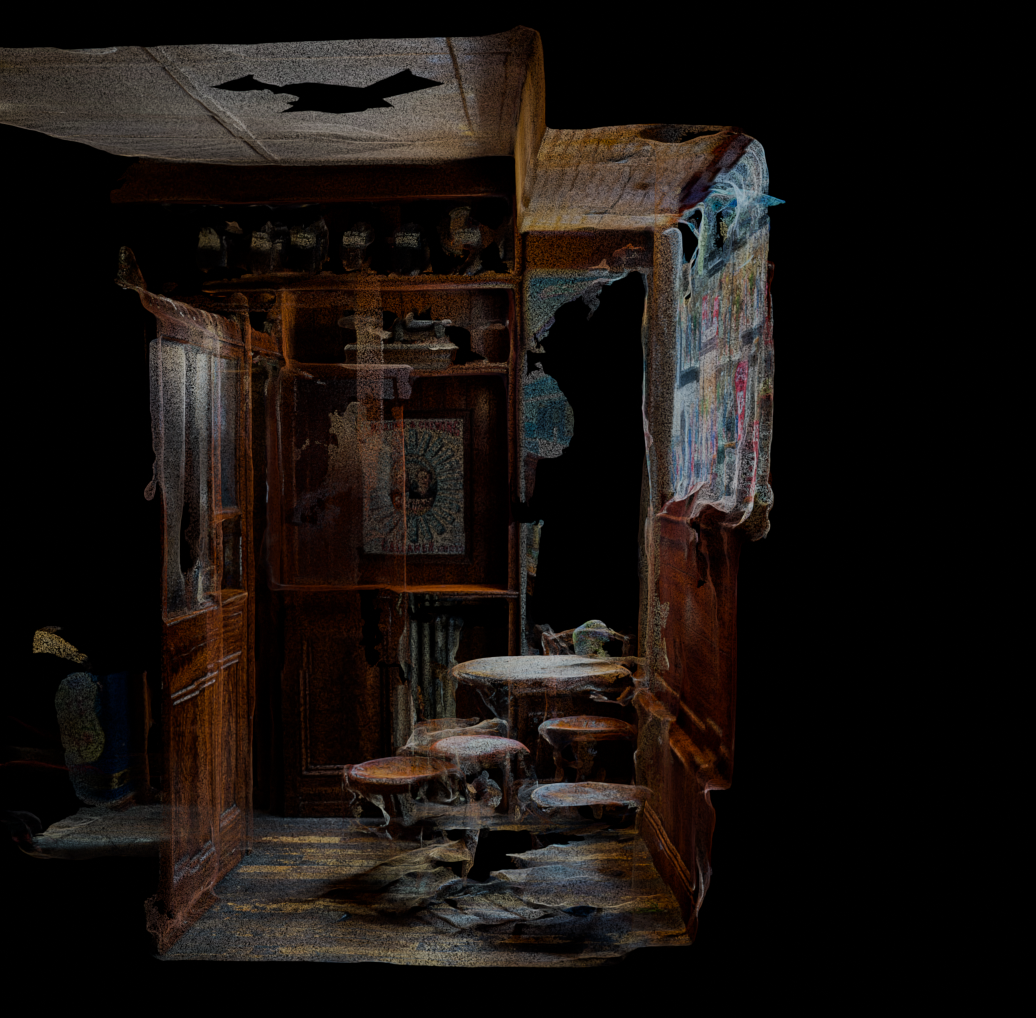
A textbook example of an original Victorian snug can be found at Doheny & Nesbitt’s on Baggot Street. The telltale sign of its authenticity is its placement relative to the entrance. Genuine snugs are positioned immediately at the door so that clandestine clientele can slip inside without being noticed by the main room of men. This secrecy is reinforced by the opacity of the glass facing the street; the only sure way of knowing whether the snug is occupied is to try the door handle.

Although the Victorians invented the form, the practice of building snugs continued well into the formation of the Irish Free State. The prevailing cultural forces of shame, privacy, and seclusion perfectly suited a newly established confessional state, which naturally extended into the construction of these confessional box-like pub spaces.
In August 2026, I led a survey of the remaining snugs of Waterford City alongside Emily Naughton, Liam Egan, and a team of participants from around Europe as part of the European Architectural Students Assembly (EASA). During this fieldwork, it became apparent that Irish snugs can be divided into four distinct architectural typologies:
1. The Victorian
The original blueprint. Built with heavy, high-quality hardwoods, ornate frosted or etched glass, beautiful mosaic flooring, and strategically placed immediately inside the tavern entrance to ensure total privacy from both the street and the public bar.
2. The Irish
The "Irish" snug was a direct post-colonial continuation of Victorian spatial logic, adapted to the religious hegemony atmosphere of the Free State. A great example encountered in Waterford is at Phil Grimes on John’s Hill. It retains the exact same spatial qualities and secretive placement as its Victorian predecessor, but relies on more modest materials.
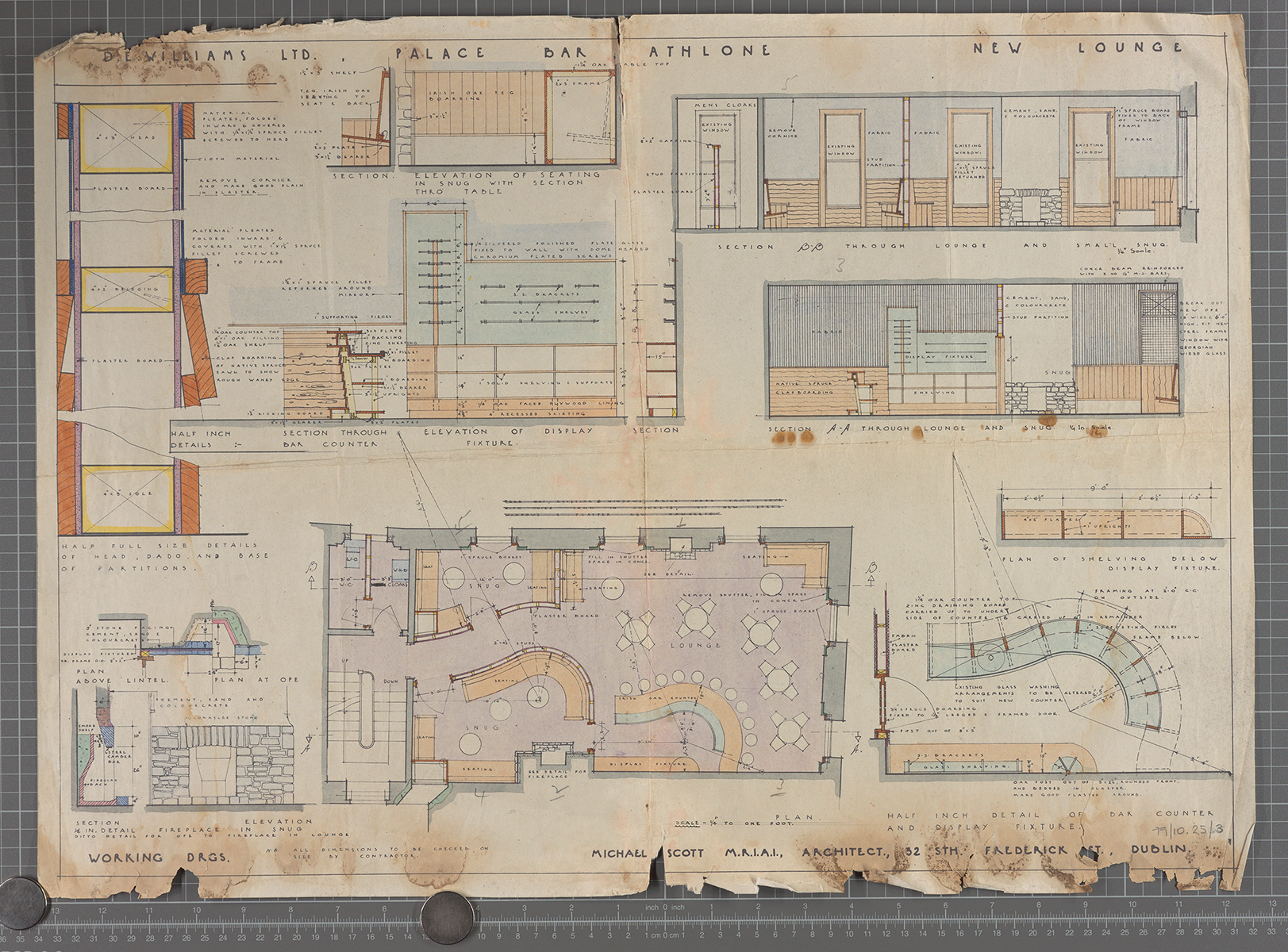
Even Ireland’s early pioneer of modernism, Michael Scott, couldn't fully escape such spatial obligations. In the early 1940s, Scott drew up two unbuilt proposals for pub alterations: one on Abbey Street in Dublin and another for The Palace Bar in Athlone. While Scott was actively trying to open Ireland up to international architectural styles, his plans show that the instinct to compartmentalise remained. In Athlone, his drawings feature two snugs flanking the entrance as the walls sweep toward a curved bar; on Abbey Street, the footprint was strictly partitioned into a lounge, a snug, and a public bar [5].
3. The Pastiche
The Pastiche snug is a product of contemporary, post-ecclesiastical Ireland, an architectural attempt to recapture the structural intimacy that was lost when original snugs were systematically demolished. These modern iterations are almost always placed toward the rear of the premises rather than the front.
They vary wildly in execution. You find them in the hasty, bricolage construction of Tully’s Snug in Waterford, or the much more considered, rhythmic row of snugs formerly found in P.Mac’s on Stephen Street Lower in Dublin. Now removed in favour of a Scandinavian interior, some of these pubs represent a bizarre design loop: interiors that were aggressively gutted forty years ago, only to be reinstated less than two decades later under a new aesthetic guise.
4. The Transplant
Nowadays people exist in their own hyper-curated algorithm of desired cultural reference points; some publicans choose to bypass imitation entirely and opt for the ‘Transplant’—or what a friend recently termed "colonial publicanism." This occurs when a venue salvages architectural elements of a defunct rural pub, or purchases an entire historic fit out, and drops it into a completely new urban context. A prominent example is Ashtons in Clonskeagh, which transplanted the interior of a former licensed premises from County Laois straight into the capital.
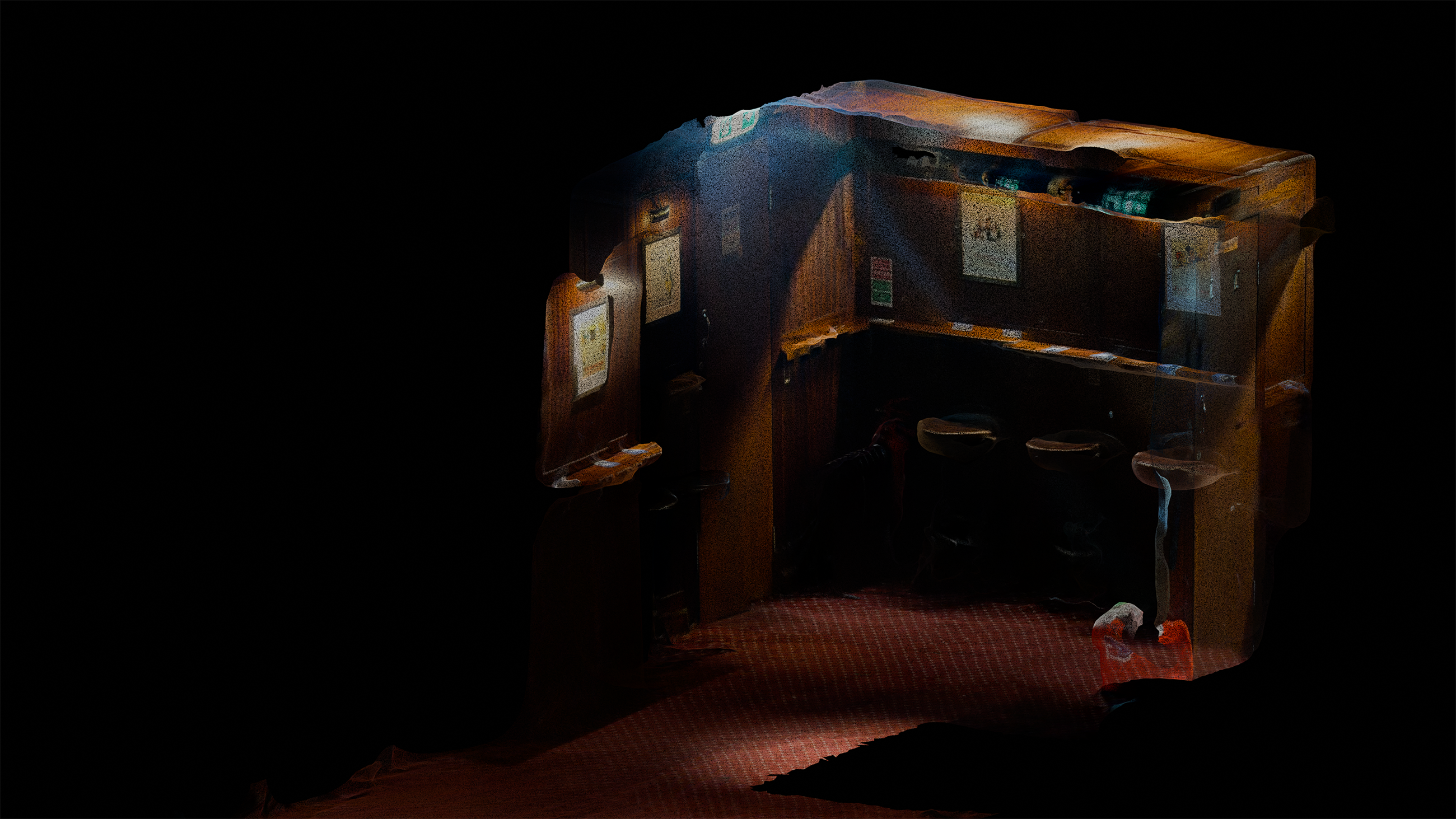
This summer, I visited one of the source environments for this trend, a pub graveyard in Kilbeggan, County Westmeath. The town, akin to many rural Irish towns, features half a dozen empty, shopfronts and licensed premises standing derelict on the main street. On the edge of town sits a massive salvage warehouse. Inside, there is an eerie, melancholy quality to the endless rows of pub paraphernalia, accompanied by a baked in, entirely familiar smell of damp timber, and antique piss.
Entire hardwood counters are lined up for sale alongside fragmented pieces of local identity: decal opaque windows, disembodied snug doors, and faded photographs of historic GAA wins. Speaking with the owner, he noted that the vast majority of his customers aren't commercial publicans at all they are individual men looking for an authentic piece of history to bolt onto their suburban man caves.
At a time when our physical environments are increasingly plateaued by the algorithms of AI-generated ‘slop’ interiors, mass produced Scandinavian living, and homogenous open spaces, the survival of the snug feels quietly radical. Whether original or pastiche, these micro architectures stand as a stubborn, physical reminder that human beings do not always want to be seen, democratic, or exposed. Sometimes, we just want to slide into the dark, closed plan spaces, close the latch, and look at the world through a pane of frosted glass.
In this article, Luke McSherry explores the Architecture of the Pub Snug as a critical third space. Luke explores the development of these spaces, the social environment created, and the negotiation of these spaces as authentic embodiments of our culture and identity.
Read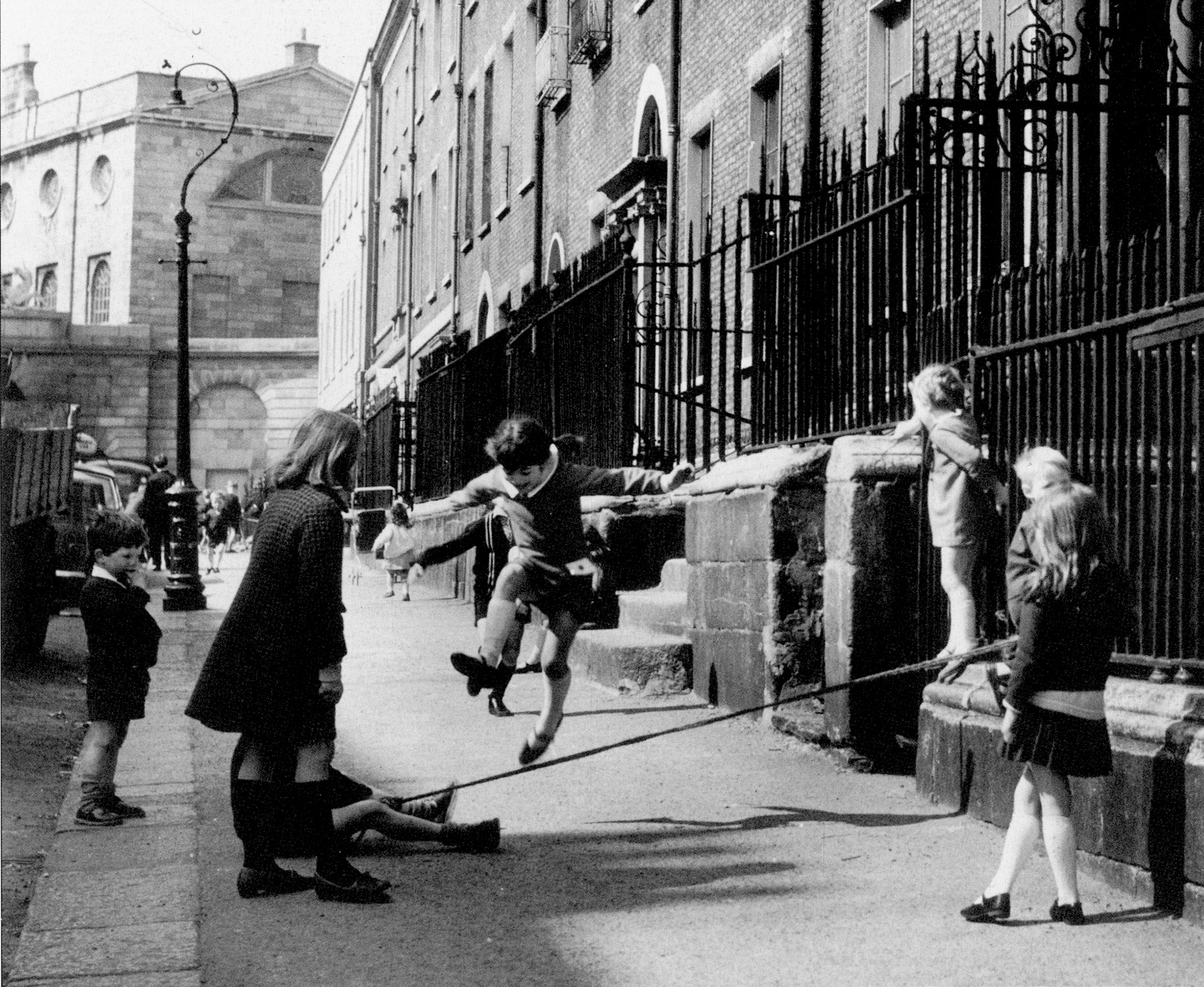
Teenagers may feel they need permission to play. Sometimes they just need space to loiter and talk ,but they are often misunderstood. As Jane Jacobs stated in The Death and Life of Great of Great American Cities “adolescents are always being criticised for this kind of loitering, but they can hardly grow up without it” [1]. Teenagers in county Kildare have said “adults made space for the younger kids but every time teenagers are in a space, they get kicked out or demonised” [2]. Adults have a duty to assist children and teenagers in creating the spaces they desire.
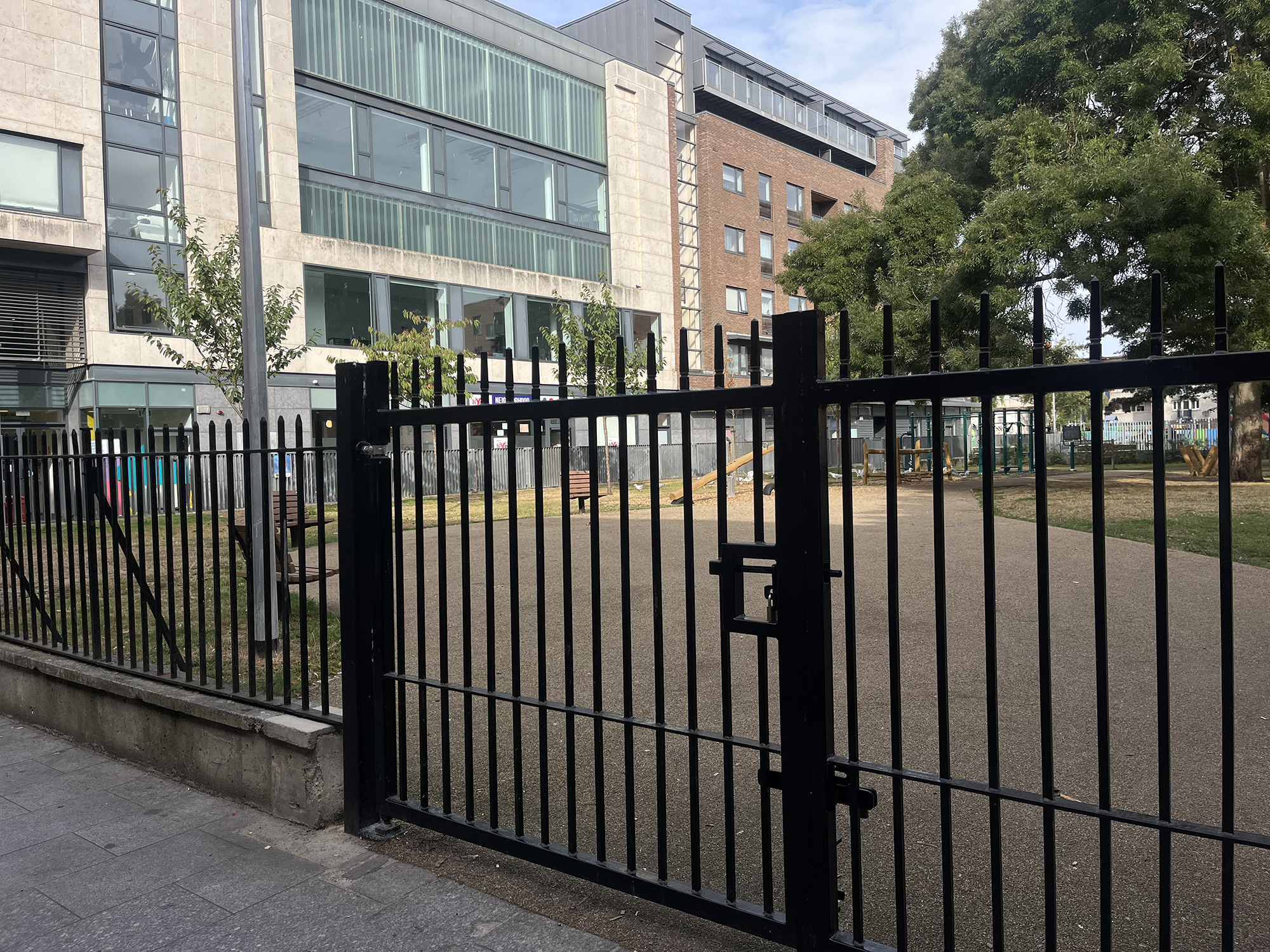
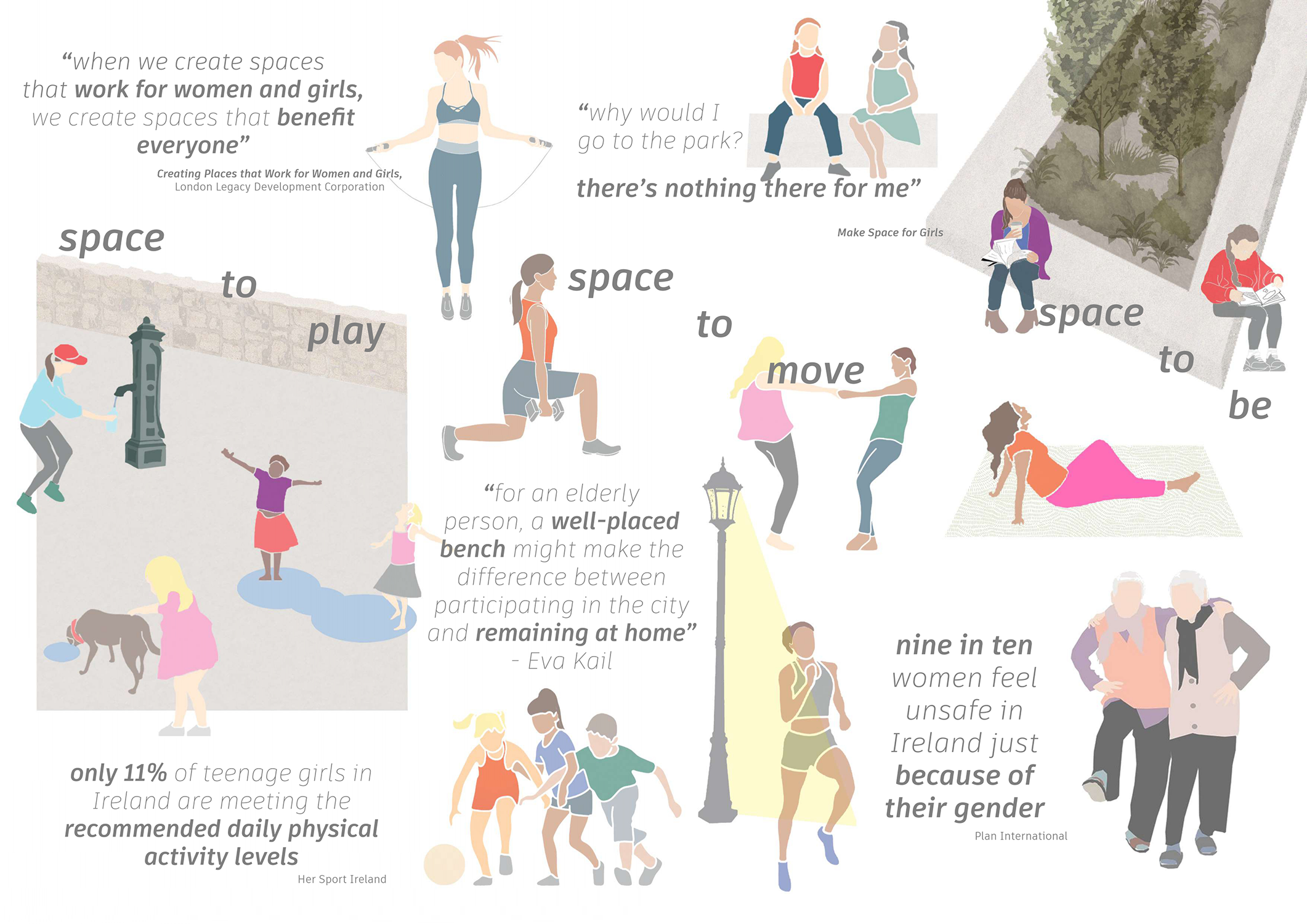
Public and green spaces in Ireland often consist of pitches, MUGAs (multi-use games areas), and skateparks. These large and open spaces often end up being taken over by boys and men who play ball games which results girls feeling left on the periphery. These areas are also usually surrounded by high fences with only one or two narrow exits. UK-based research carried out by Make Space for Girls discovered that 90% of the facilities provided for teenagers consisted of MUGAs, skateparks, and BMX tracks, and that 90% of the users are male. Within the same research, girls were three times more likely to use other facilities (e.g. shelters, swings, tennis courts) but 75% of these ‘other facilities’, which are designed by the councils, are shelters placed facing MUGAs and pitches [3]. This is not to say that these spaces are not valuable to certain demographics. It points to the fact that these spaces are not experienced equally and that girls are often designed out of public spaces intended for their age group. This results in them feeling excluded and uncomfortable. How can we design public space for teenage girls when we don’t listen to what they want?
After decades of cities being designed mainly for men as they went to and from work via car, Vienna was one of the first cities to adopt gender mainstreaming - the practice of accounting for all genders equally in design - as an urban design principle. Since the 1980s, Stadt Wien (City of Vienna) has implemented multiple strategies to diversify their city infrastructure. The widening of over one kilometre of footpaths makes space feel more accessible and less threatening, street lighting improvements provide a stronger sense of security, traffic lights have been altered to favour pedestrians, and the provision of more benches has provided to be the difference between someone participating in public versus staying home [4].
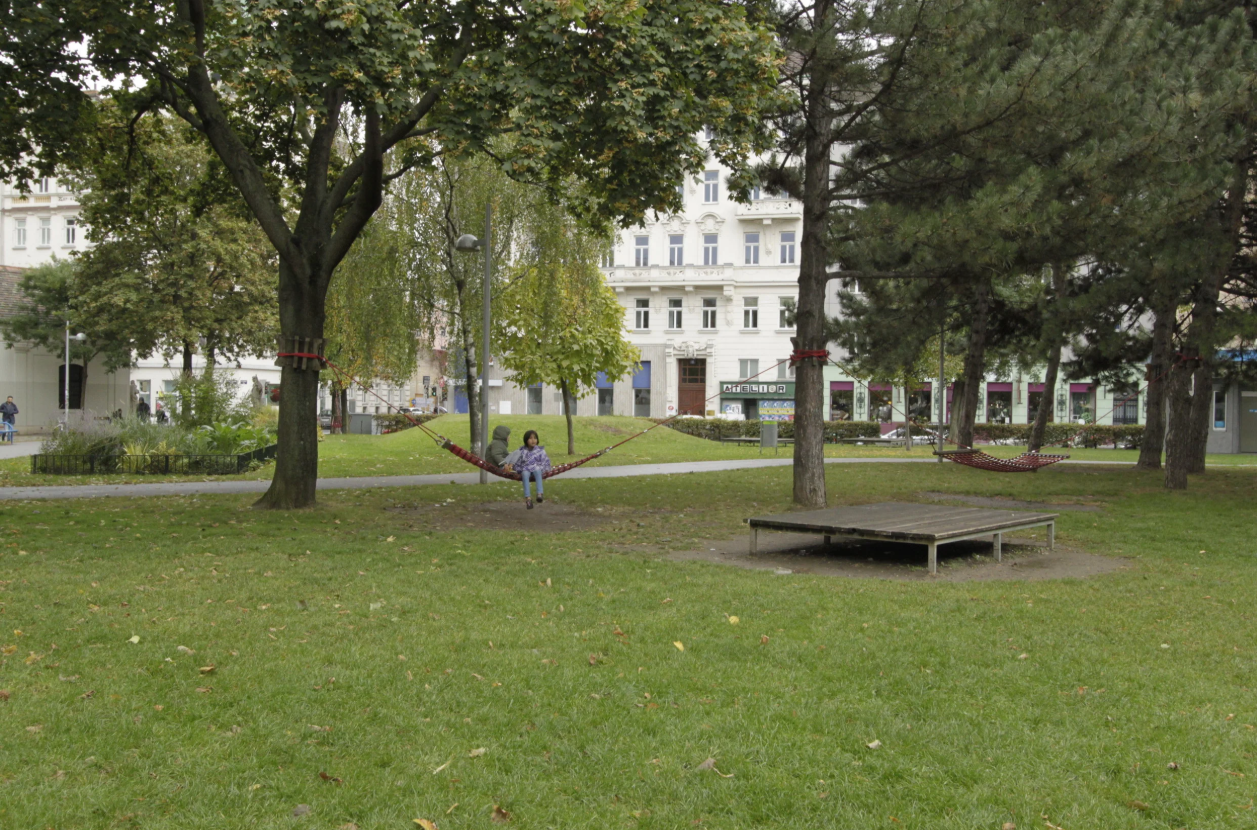
Einsiedlerpark in the Margareten district was redesigned in 1999 based on local feedback from and conversations with girls in the area - they felt that there was nothing there for them. The number of girls using these spaces was decreasing from the age of nine. Hammocks and platforms were placed near the footpaths, described as ‘quick attractions’. Volleyball and badminton courts were added to neutralise the boys’ dominance over the caged basketball courts. A platform was added between the basketball courts simply to divide the large space into ‘sub-zones’ whilst also providing more seating. Lighting and footpaths were improved to encourage girls to linger. These might seem like small additions and amendments, but they can make a huge impact on the lifestyles of teenage girls. Since its completion, it has been enjoyed by many other demographics as well, specifically elderly people and young families [5].
Make Space for Girls is a UK-based charity that campaigns for girls to be considered in the design process of parks and public spaces. They provide workshops and interviews with girls, research precedents, and create design suggestions. They then present this research to councils, developers, and design professionals. They give a voice to teenage girls. From their observations, suitable park infrastructure includes swings, stages, exercise bars, benches with shelter and seating facing each other. Other public space features such as lighting, access, and footpaths are also critical in fostering girls in public areas [6].
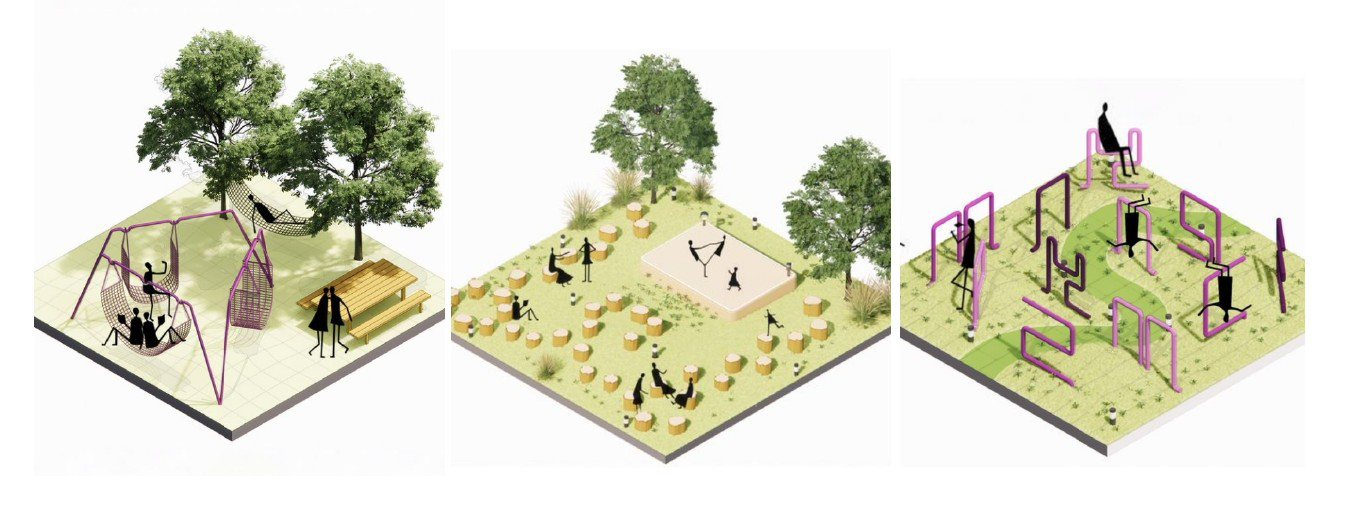
In a 2019 survey by Teenspace of 500 teenagers in the South Dublin County Council area, more than 90 per cent of teenagers requested spaces for hanging out and for play and recreation while only 5 per cent asked for more sports facilities. Kildare County Council announced a pilot project in 2024, to design a park in Celbridge while involving teenagers in the process [6]. Both of these initiatives were aimed at teenagers of all genders. In Ireland, only 11% of teenage girls reach the recommended amount of daily physical activity [7]. A Level Playing Field, a not-for-profit, carried out a series of workshops with girls from Dublin between the ages of 12 and 16. Founded by Sarah Flynn in 2022, these workshops identified what made the girls feel unsafe and uncomfortable in public spaces. The girls then sketched their idea of improved public space at Charleville Mall, Dublin 1. These proposals included ‘increased lighting, seating for hanging out and chatting on, and playful interventions such as trampolines embedded in the paving’ [8]. These initiatives are catalysts for meaningful interventions by including girls in the process.
Still, there is not enough being done to facilitate and foster girls in public space in Ireland. Dublin City Council states in their Dublin City Development Plan 2022 - 2028 that the Council will ‘during the lifetime of this Plan complete a study of Women and Girl’s Safety in the public realm in order to identify the factors that make women and girls feel safe and unsafe in public spaces’ [9]. This public research has not been carried out. The current lack of public toilets in Dublin is also a hindrance to girls - and many others. There is now only one public toilet in Dublin at St. Stephen’s Green which is currently planned to close [10]. Girls and women need reasonable access to public toilets for many reasons, specifically for menstruation, breastfeeding, and to care for children.
The only way to create pleasant public spaces for teenage girls is to talk to them and listen to them. The lived experiences of girls deserve to be acknowledged and considered when it comes to the design of public space. Teenage girls believe they are left out due to feeling unsafe, but there are multiple ways to encourage girls to take up space. There is no one prescriptive solution to this matter which is why local research and engagement is vital to suit different contexts and provide meaningfully for women.
In this article, Sinéad Hickey discusses gender mainstreaming in urban spaces through the lense of teenager and women in sport. Sinéad explores the nature of spaces provided for teenagers, the disparity in provision for genders, and the issues affecting teenage girls use of these public spaces in particular.
Read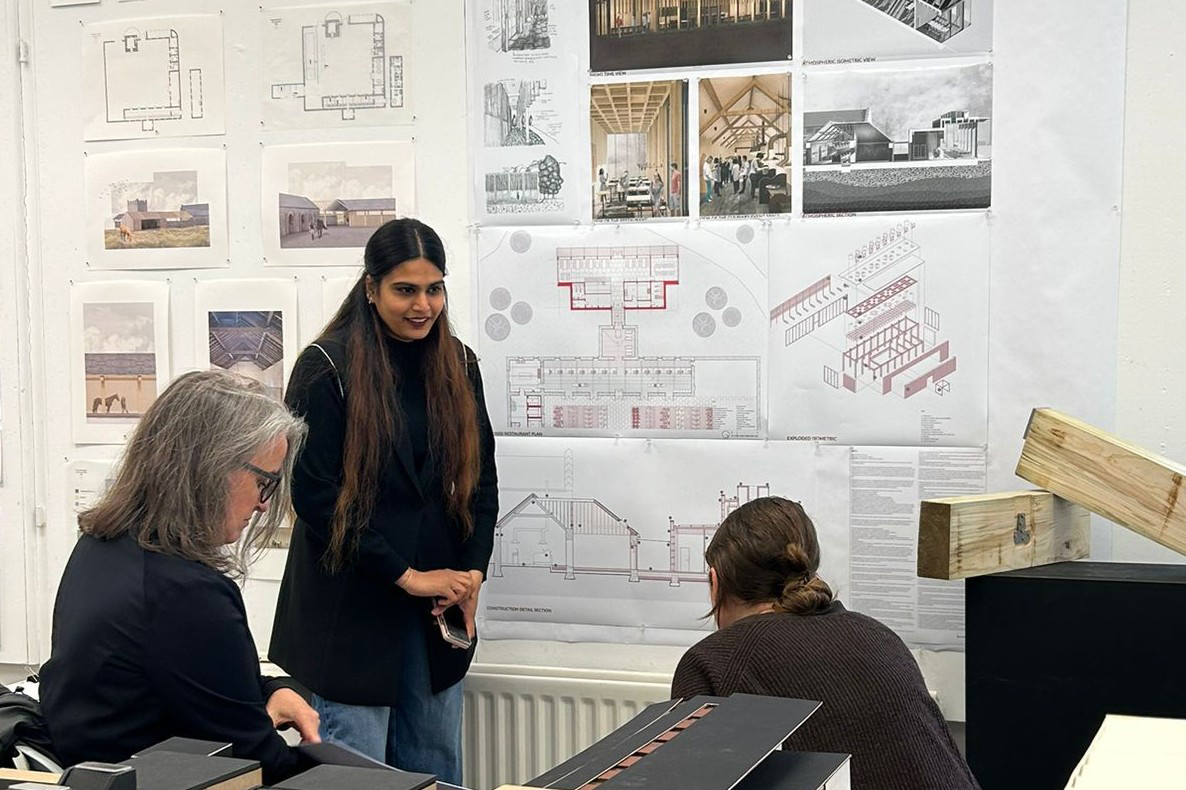
Every time I move, something has to be rebuilt.
Moving to a new place means setting up a new routine, building a new support network, and re-learning how things work - while leaving behind a version of yourself that you, and those around you, are familiar with. Migration can be described through the act of arrival, but for me, it is equally shaped by the sense of departure, having to establish myself again and figure out what I bring to the table.
I moved to Birmingham as a 17 year old international student from Delhi. While I was studying architecture, I was also learning to navigate a new cultural and academic environment. I was surrounded by new references and different ways of communicating ideas, along with the pressure of developing a design language. For example, from the outside, crit culture is about pinning your work up on the wall. However, it requires confidence and the ability to defend your ideas, to question your own thinking, and sometimes to fail publicly, and, despite that, to have the courage to show up next week.
Sarah Young, in her research on imposter syndrome, describes how critiques, comparisons, unwritten rules of architectural education, and demanding work hours can intensify feelings of self-doubt. In her survey, over 50% of first-year design studio participants reported moderate to intense feelings of being an imposter [1]. As I was still learning and finding my feet in a new country, the question of competency became more heightened, and I started to question if I truly belonged here.
As I moved to Belfast for work, the questions did not disappear. Representation tells us who is present in a design studio or an office. However, belonging is revealed through actions upon entering. As I entered practice, I began considering whether there was trust, whether I was asked about my thoughts, whether I was encouraged to take part in a conversation or given an opportunity to resolve the unfamiliar, or whether I was taking responsibility before I felt ready.
These moments matter as confidence is built through opportunities. Factors such as gender, race, disability, sexuality, and caring responsibilities can often influence whether people are given a chance to work directly with clients, take on complex projects, develop technical skills, or progress into visible leadership roles [2]. For me, being welcomed into the profession and being trusted within it were two very different realities.
Mentorship has played an important role in helping me close the gap. Over the last year, I participated in mentoring schemes across the UK and was matched with three incredible female mentors who had also migrated to the country. Conversations with them helped me navigate progression, build confidence, and manage professional expectations. Most importantly, they challenged my imposter syndrome and helped me recognise that a lack of certainty should not be seen as a lack of potential.
Yet, confidence alone can’t address the wider barriers to entering industry. The route to qualification in the profession remains long and financially demanding, especially for international graduates. At elite universities, international tuition fees can exceed £30,000 a year, yet entry-level roles offer little remuneration by comparison [3]. Recruitment can also reinforce barriers to the profession. The industry still operates through familiar networks, recommendations, and established universities. For people who are trained abroad, have migrated, or have followed an unconventional career path, it becomes even harder to get a foot in the door. For international graduates, there is an added sense of uncertainty alongside professional progression. There is a constant race against time due to visas, work sponsorship, and changing immigration policies.
Similarly, architectural registration remains tied to national systems such as the Council of Architecture in India, the Architects Registration Board in the UK, and the Royal Institute of Architects of Ireland in Ireland. Working across countries and navigating new registration processes each time requires translating experience and qualifications to fit a new system.
Having to prove your professional identity and build support networks all over again can seem daunting at first. However, with every move, I learned new ways to understand, communicate, and be resilient. My confidence now comes from knowing I have rebuilt before.
I visited the London Festival of Architecture this year, and the central theme of ‘Belonging’ was explored through connection and participation [4]. It made me reflect that while architecture creates spaces for connection, the profession must also nurture the people entering, support those trying to stay, and create meaningful opportunities for progression. This is why I co-led ‘Portfolio Review and Mentoring Night’ last month with my colleague, Lois Chan, bringing together students and practitioners for portfolio feedback, career conversations, and professional connections. I have immensely benefited from the people around me who helped me to navigate the industry, and I hope to make the routes visible to others.

I am writing this in a time of great uncertainty about my next move. Yet I know with every move, I carry forward the confidence, the generosity of my mentors, diverse perspectives, and unique experiences. My experience is only one of many among the professions increasingly shaped by movement. The question then is, how does the industry recognise, value, and advocate for the talent it attracts from across the globe?
In this article, Ananya Jain reflects on how different educational and professional environments shaped her sense of belonging through her journey from Delhi to Belfast, and the role mentorship, migration, identity, and belonging has played in her navigation of both architectural education and practice.
Read

Website by Good as Gold.